
Category
· 9 products
Headphones
Over-ear and on-ear headphones for gaming and music - open and closed-back designs with clear imaging and a comfortable fit for long sessions.
-


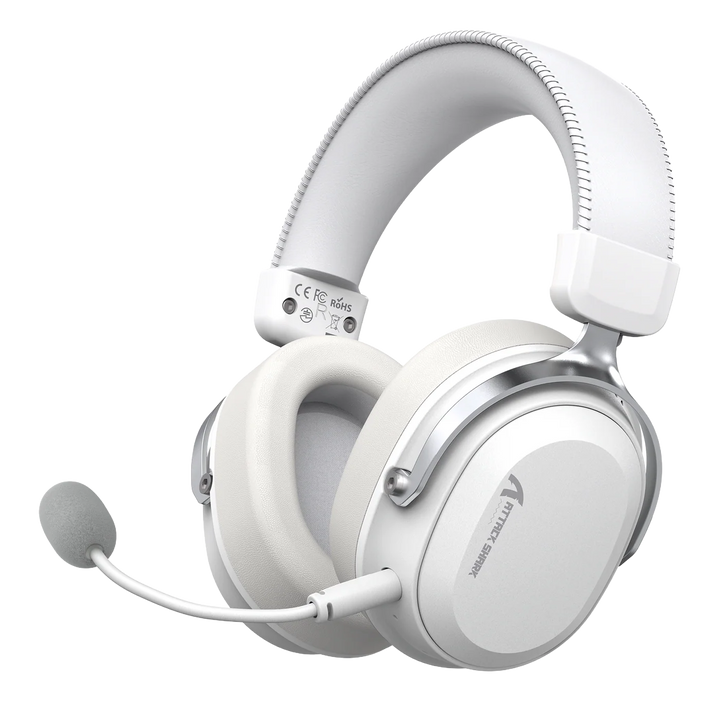
Attack Shark L80 Pro Wireless
Vendor: Attack SharkRegular price LE 2,900.00 EGPRegular priceUnit price per -

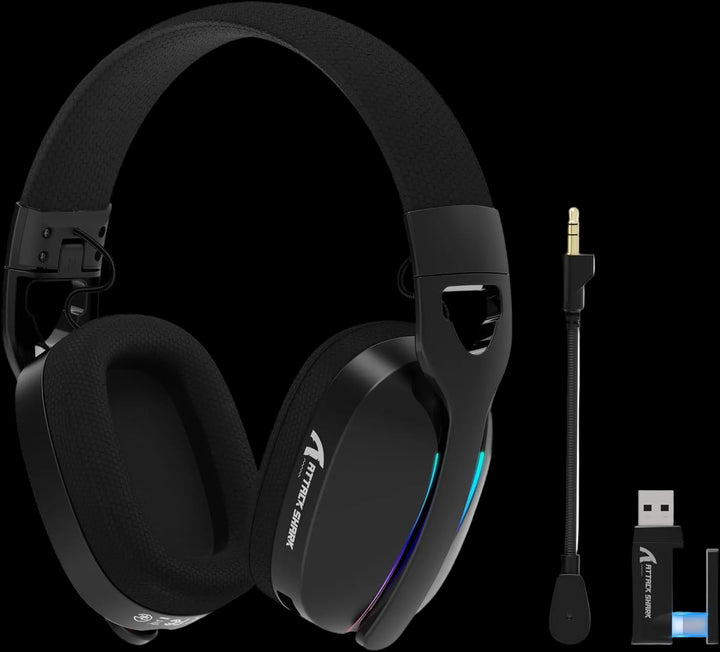
Attack Shark L30 Pro
Vendor: Attack SharkRegular price LE 3,100.00 EGPRegular priceUnit price per -

 Sold out
AJAZZ AHM10 MAX
Sold outVendor: AjazzRegular price LE 3,500.00 EGPRegular priceUnit price per -


Mchose X9 Headset
Vendor: MCHOSERegular price LE 4,450.00 EGPRegular priceUnit price per -

 Sold out
Attack Shark L90
Sold outVendor: Attack SharkRegular price LE 1,900.00 EGPRegular priceUnit price per -

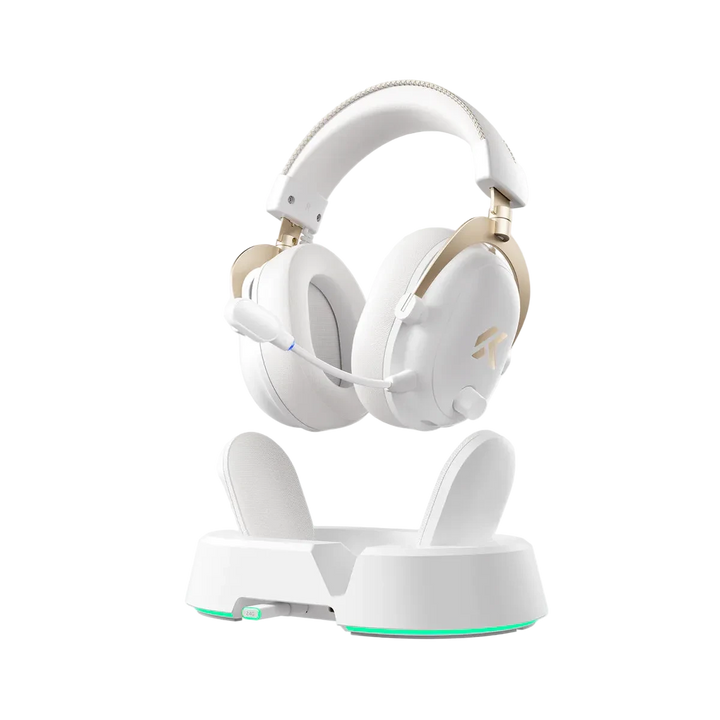
Attack Shark G800 Wireless
Vendor: Attack SharkRegular price LE 3,525.00 EGPRegular priceUnit price per -

Mchose V9 Turbo
Vendor: MCHOSERegular price LE 7,000.00 EGPRegular priceUnit price per -
 Sold out
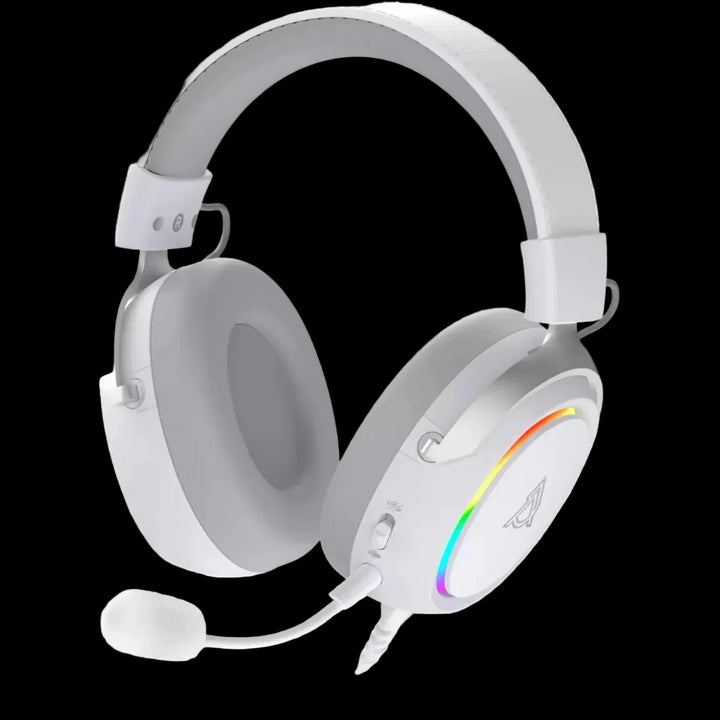
Razer Hammer Head V2 Pro
Sold outVendor: RazerRegular price LE 3,100.00 EGPRegular priceUnit price per




Buying guide
Which one is right for you
Immersive Gaming IEMsWant sharper positional cues and almost no weight - in-ears instead of a headset.
EarphonesThe full in-ear monitor range, from first-time budget sets to flagships.
Studio & Mixing IEMsMonitoring, mixing and content work that needs reference-neutral tuning.
Audio Top-upsPortable DACs and amplifiers if a demanding pair needs more clean power.
ControllersComplete a console or handheld setup alongside your audio.
Key terms, explained
- Closed-back
- An earcup sealed on the outside, so sound does not leak in or out. The right default for shared rooms and competitive play, where background noise can mask a quiet audio cue.
- Open-back
- An earcup that lets air pass through, widening the sense of space and easing pressure on the ear. The trade is that everyone nearby hears your audio and you hear them.
- 2.4GHz wireless
- A dedicated low-latency radio link using its own USB dongle. This is the connection to use for gaming; it behaves like a cable in practice.
- ENC
- Environmental noise cancellation - processing applied to your outgoing microphone so teammates hear less of your keyboard and fan. It affects what THEY hear, not what you hear.
- ANC
- Active noise cancellation - microphones sample outside noise and the headphone plays an inverted signal to cancel it. This is what YOU hear, and it works best on low, constant sound like traffic hum.
- Clamping force
- How hard the headband squeezes your head. Enough clamp gives a consistent seal and stable fit; too much becomes painful within an hour, especially over the arms of glasses.
- Driver size
- The diameter of the moving diaphragm, typically 40mm to 50mm in a headphone. Bigger moves more air, but tuning and enclosure design decide the actual sound far more than the number does.
- Virtual surround
- Software that simulates multiple speaker positions from two drivers, usually labelled 7.1. There are no seven speakers inside the cup - it is processing, and many competitive players switch it off because plain stereo images more honestly.
- Sidetone
- Feeding a little of your own microphone back into the earcups so you can hear yourself speak. Without it, a well-sealed headset makes people shout without realising.
- Earpad material
- Fabric pads breathe and stay cooler; leatherette seals better and isolates more but grows warm. Pads wear out before the headset does, so replaceable pads extend its usable life.
FAQ