Category · 29 products

Studio & Mixing IEMs

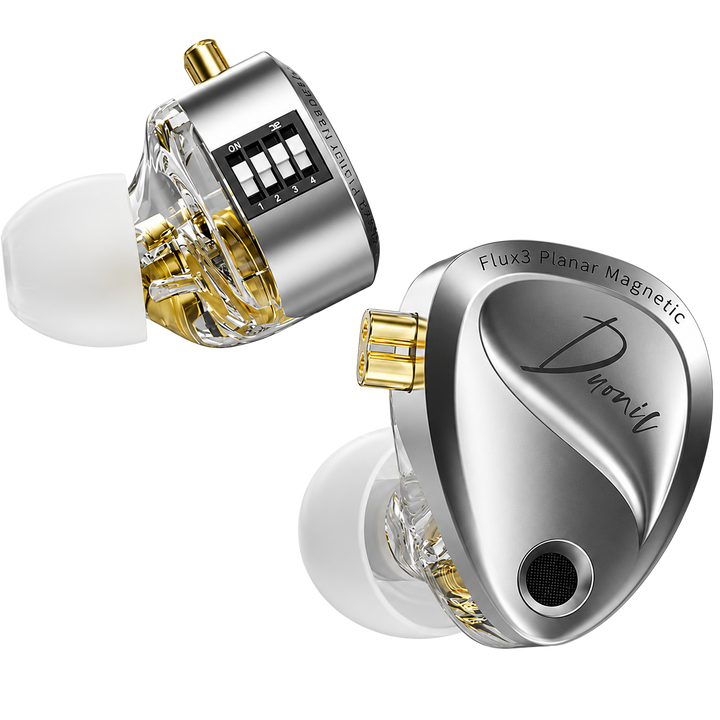
Reference-tuned in-ear monitors for mixing, tracking and content work - Truthear, Simgot, Moondrop, 7Hz, Kiwi Ears, CCA and KZ sets chosen for an even response rather than an exciting one.

Every set is a genuine unit with 14-day cover against product defects, payable cash on delivery in Egyptian pounds.

Buying guide

Why engineers work on in-ear monitors

A pair of studio monitors only tells the truth in a treated room, and treating a room properly costs more than the speakers do. An IEM sidesteps the room entirely: the same acoustic conditions travel with you, so a decision made at home holds up in a rented studio or on a laptop in a cafe. That consistency is the real argument for working in ears. The requirement is that the monitor itself adds as little as possible, because anything the set flatters you will compensate for and then hear as a fault everywhere else.

What reference-neutral actually means

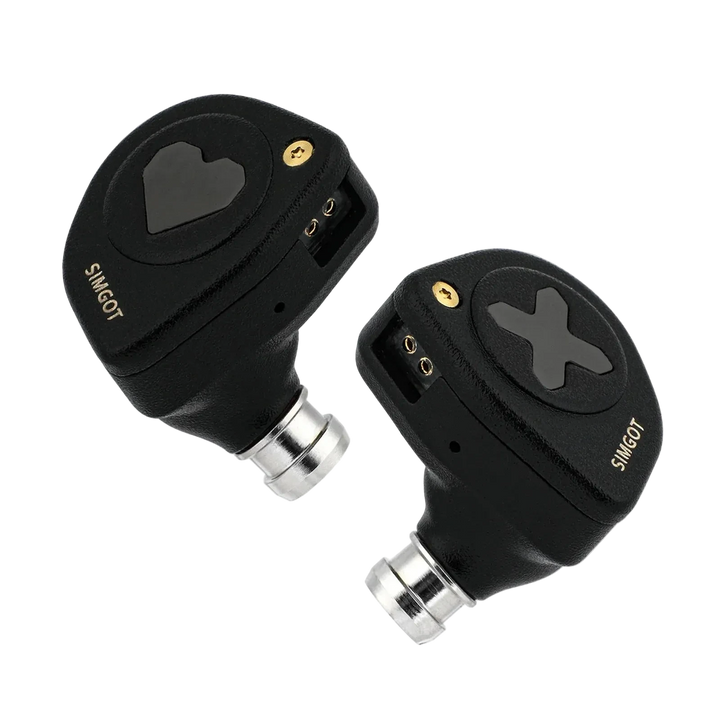
Neutral means the set reproduces bass, mids and treble in even proportion, with no lift built in to make music more exciting. A consumer tuning with boosted low end will hide a bass part that is too loud, and a set with a treble peak will push you into dulling your highs until the mix sounds lifeless on other systems. The reference-grade sets here - the Truthear Hexa, Truthear Pure and Simgot EW300 - are chosen because they stay close to even across the range. They are also less immediately impressive than a consumer tuning, which is precisely the point.

Translation is the only test that counts

A mix that sounds good on your monitor and falls apart on a phone speaker has not translated. Learning any monitor takes time: reference two or three tracks you know intimately through the same set before you trust its verdict, and keep using it long enough that you know where it exaggerates. Then check every mix on at least two other systems - a phone speaker, a car, a laptop - because those are where your listeners will actually hear it. The purpose of a neutral set is not perfection but a reliable starting point you can calibrate yourself against.

Tracking, isolation and latency

Recording is a different job from mixing. While tracking a vocal you need isolation so the backing track does not bleed into the microphone, and a sealed IEM does this better than any open headphone. You also need low latency: monitor through your audio interface rather than through the computer's own output, and keep the buffer small while recording so what the performer hears is not behind their own voice. A detachable cable earns its keep here, since a snagged cable in a session is a cheap replacement rather than a dead monitor.

Sources, interfaces and balanced outputs

Most sets in this collection are sensitive and low impedance, so a laptop or interface headphone output drives them without difficulty. What matters more is that the source is clean and consistent, because a noisy output or an unexpected equaliser preset undermines every judgement you make. Turn off any device-level enhancement before you work. A balanced output is worth having on some sets for slightly better channel separation and a lower noise floor, but it is a refinement rather than a requirement. USB-C DACs and adapters live in the Audio Top-ups collection.

Buying studio IEMs in Egypt

Nyvrix carries the reference-tuned brands that are difficult to source locally - Truthear, Simgot, Moondrop, 7Hz, Kiwi Ears and CCA alongside the KZ range, including the Crinacle collaboration sets used widely as budget references. Every unit is genuine with 14-day cover against product defects, payable cash on delivery in Egyptian pounds anywhere in Egypt. Ships in 48h - weekends may vary. If you are equipping a home setup and are unsure what fits your interface, advice is available in Arabic and English.

Key terms, explained
Reference tuning
A deliberate design goal of adding as little character as possible, so you hear the recording rather than the monitor. Reference sets sound plain next to consumer tunings, which is the intended result.
Frequency response
How evenly a set reproduces the range from deep bass to high treble, usually drawn as a graph. For studio work you are looking for a smooth line with no large peaks or dips rather than an exciting shape.
Flat response
A frequency response that stays close to even across the range, with deviation measured in decibels. Flat is not the same as lifeless; it means nothing is exaggerated, so your own mix decisions are the only thing you hear.
Translation
Whether a mix still holds up outside the system it was made on. Good translation is the actual goal of monitoring, and it is why every mix should be checked on a phone speaker, a laptop and a car as well.
Monitoring and mixing
Monitoring is listening to what is being captured or played back, often while performing. Mixing is making balance and tone decisions. Monitoring tolerates a little character; mixing needs the most neutral set you own.
Stage monitoring
Using sealed in-ears instead of floor wedges for a live performance. It gives the performer a consistent mix at safer volume and keeps the stage quieter for everyone else, including the front-of-house engineer.
Latency
The delay between a sound happening and you hearing it. Above a few milliseconds a singer hears themselves lagging and their timing suffers, so monitor through the interface rather than the computer and keep the recording buffer small.
Isolation for tracking
How much of the backing track the seal keeps out of the room, and therefore out of the microphone. Good passive isolation lets a vocalist monitor loudly without bleed ending up in the recording.
Balanced output
A headphone output that drives each channel on its own pair of conductors, typically 4.4mm or 2.5mm. It can give better channel separation and a lower noise floor, but it is a refinement rather than a requirement for these sets.
THD
Total harmonic distortion - the amount of content the driver adds that was not in the signal, given as a percentage. Low figures matter for reference work because distortion you cannot separate from the mix leads to wrong decisions.
Driver coherence
How seamlessly multiple drivers hand over to each other. A poorly integrated hybrid can make the bass sound detached from the mids, which is far more damaging for mixing than a slightly uneven response.
Gain staging
Setting levels sensibly at every point in the chain so nothing clips and nothing sits in the noise floor. A sensitive IEM makes hiss from a badly staged source obvious, which is useful information rather than a fault.
FAQ
What is the best studio IEM available in Egypt?

The Truthear Hexa and the Simgot EW300 are the reference-grade choices here, and the Truthear Pure sits alongside them. All three are tuned to stay close to even across the range rather than to flatter a recording. For the most resolving option in the range, the Truthear Nova is the step up.

Can I really mix music on IEMs?

Yes, and plenty of working engineers do. A sealed in-ear removes the room from the equation, which is a genuine advantage if your space is untreated. The conditions are to choose a neutral set, learn it with reference tracks you know well, and check every mix on other systems before you sign off.

Are studio IEMs better than studio monitor speakers?

They are different tools rather than a straight upgrade. Speakers give you a natural sense of depth and let you feel low frequencies, but only in a treated room. IEMs give you the same conditions every time, anywhere, at far lower cost. Most people working at home get more reliable results from in-ears and a phone-speaker check.

Why do reference IEMs sound boring at first?

Because they are not adding anything. Consumer tunings lift the bass and sharpen the treble, and your ears get used to that as normal. A neutral set removes the flattery, so it takes a few days before you stop hearing it as dull and start hearing what is actually in the recording.

Which IEM suits podcasting and content creation?

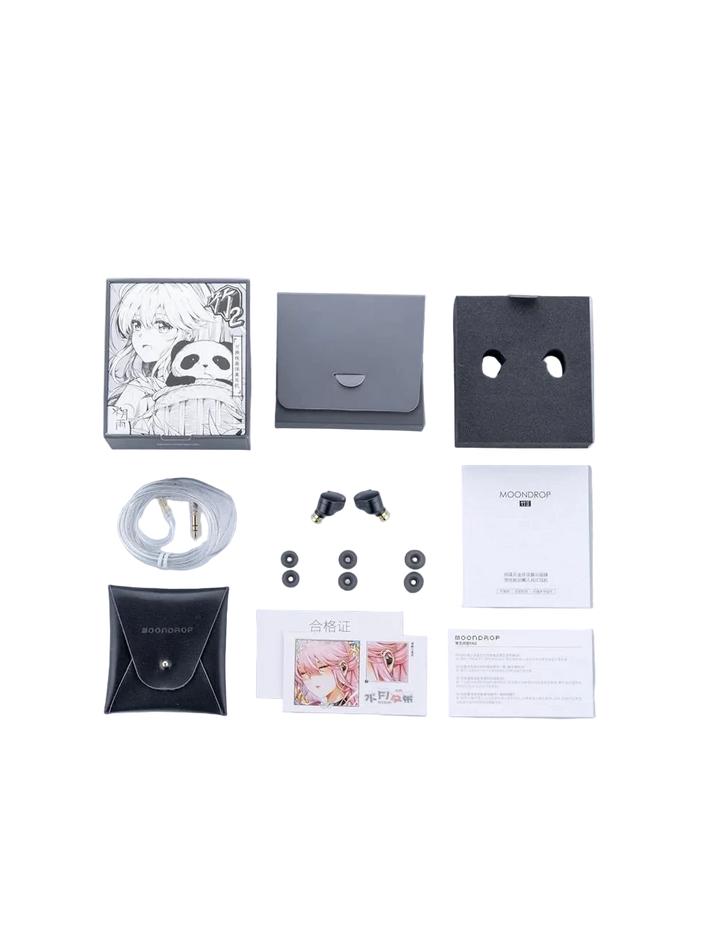
Clear, natural vocal reproduction matters more than bass here, so the Truthear Pure and the Moondrop Chu II are both sensible choices. Either will show you sibilance, room noise and plosives clearly enough to fix them. The seal also helps when you are monitoring a recording in a room that is not quiet.

Do I need an audio interface or a DAC for these?

Most sets here are sensitive enough for a laptop output, so you do not need one for playback alone. You do want an interface if you are recording, because it handles microphone input and lets you monitor with low latency. For playback on a phone with no headphone jack, a USB-C DAC from the Audio Top-ups collection is enough.

What about latency when recording vocals?

Monitor through your audio interface rather than the computer's own output, and keep the recording buffer small. Delay much above a few milliseconds makes a performer hear themselves behind their own voice, and their timing suffers for it. Raise the buffer again once you move from tracking to mixing.

Is a balanced cable worth it for studio work?

It is a refinement, not a requirement. A balanced output can improve channel separation and lower the noise floor, which is occasionally useful on a very sensitive set. It will not change a tuning or fix a mix decision, so spend the money on a more neutral monitor first.

Can I use these for live stage monitoring?

Yes, and sealed in-ears are the standard approach now. They give the performer a consistent mix at a safer volume and keep the stage quieter for everyone else. Use a secure over-ear cable fit and a tip that seals properly, because a tip that works when seated may not survive movement.

How do I get a mix to translate properly?

Learn one monitor thoroughly rather than switching between several. Reference two or three tracks you know intimately through the same set, keep using it long enough to know where it exaggerates, then check the mix on a phone speaker, a laptop and a car. Translation comes from knowing your monitor, not from owning the most expensive one.

Which budget sets are accurate enough for referencing?

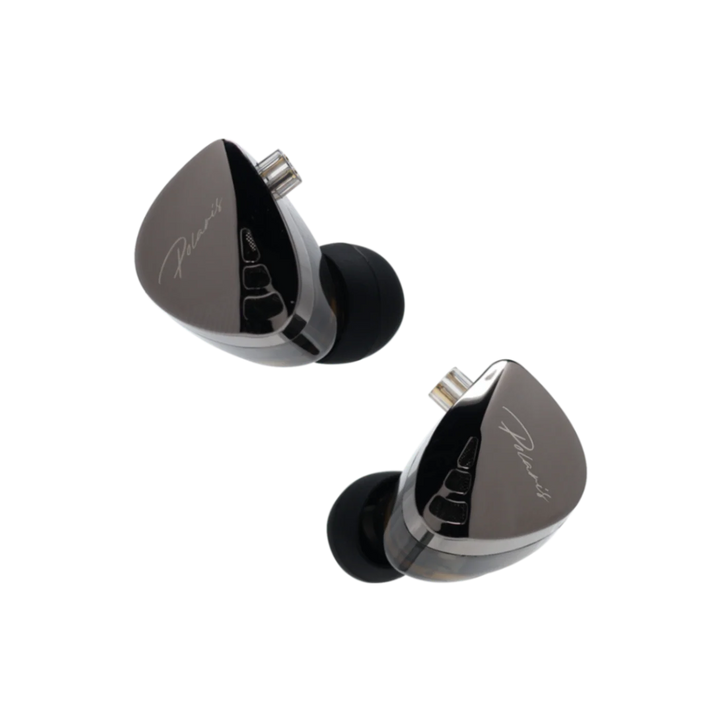
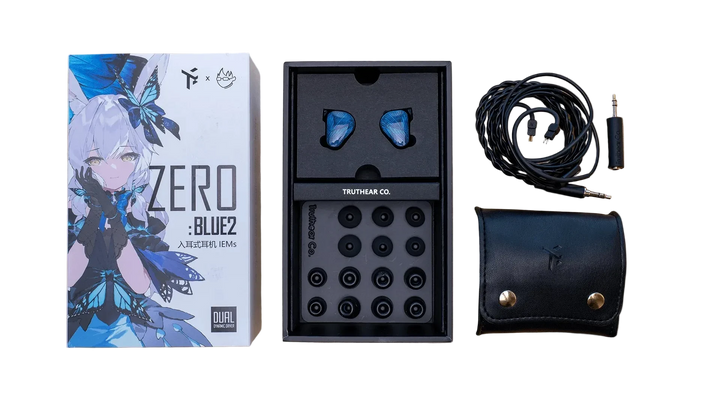
The Moondrop Chu II, 7Hz Zero 2 x Crinacle and CCA Polaris all measure well enough to be useful references at their price. They are not as resolving as the higher sets, so use them as a second perspective and for checking a balance rather than for final detail decisions.

How does delivery and warranty work?

We ship to every governorate in Egypt and you pay cash on delivery in Egyptian pounds. Ships in 48h - weekends may vary. Every unit is verified genuine and carries 14-day cover against product defects, with support available in Arabic and English.