
Category
· 25 products
Beginner Friendly IEMs
Your first in-ear monitor - sets chosen because they run straight from a phone, fit comfortably and sound far above what they cost.
Every set is a genuine unit with 14-day cover against product defects, payable cash on delivery in Egyptian pounds.
-


KZ ZSN Pro2
Vendor: Knowledge Zenith (KZ)Regular price LE 2,600.00 EGPRegular priceUnit price per -

 Sale
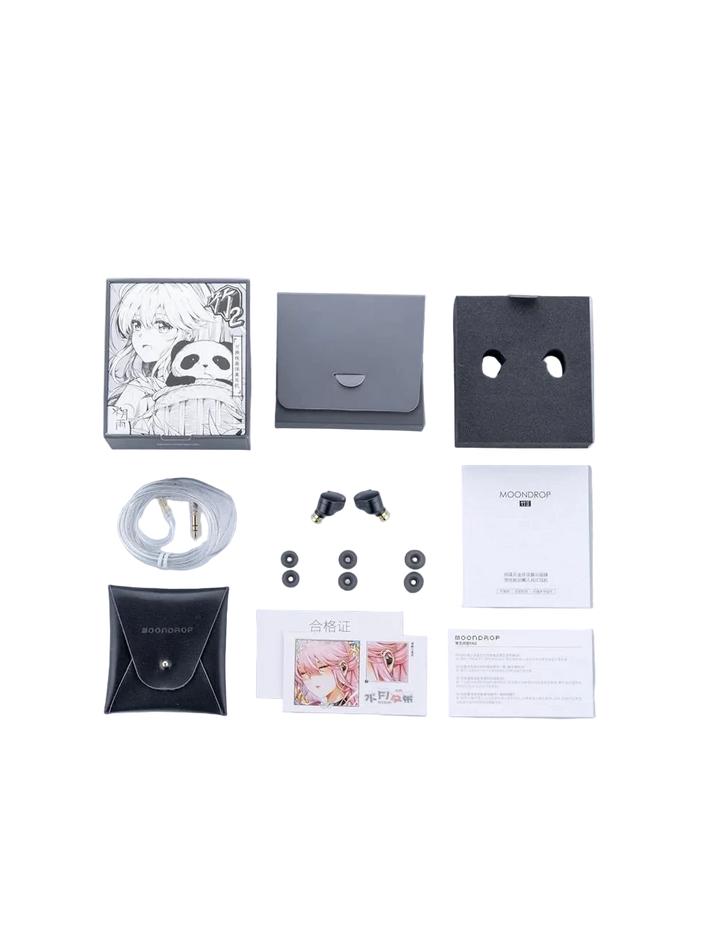
Moon drop chu II
Vendor: MoondropRegular price From LE 2,600.00 EGPRegular priceUnit price perLE 3,000.00 EGPSale price From LE 2,600.00 EGPSale -


Kz Pisces
Vendor: Knowledge Zenith (KZ)Regular price LE 2,600.00 EGPRegular priceUnit price per -

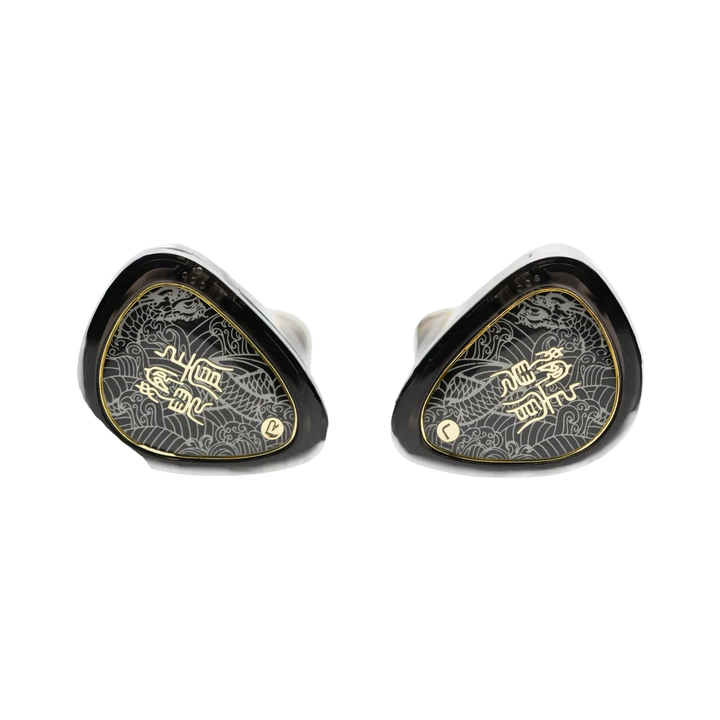
TANGZU WANER SG2
Vendor: TangzuRegular price From LE 2,800.00 EGPRegular priceUnit price per -

 Sold out
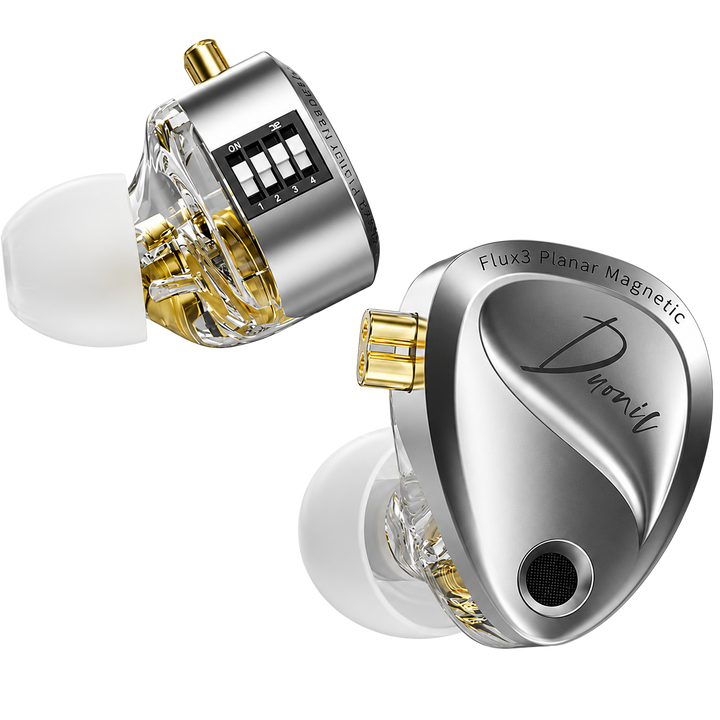
KZ Duonic
Sold outVendor: Knowledge Zenith (KZ)Regular price LE 2,800.00 EGPRegular priceUnit price perLE 3,000.00 EGPSale price LE 2,800.00 EGPSold out -

KZ ZS10 Pro2
Vendor: Knowledge Zenith (KZ)Regular price LE 2,900.00 EGPRegular priceUnit price per -

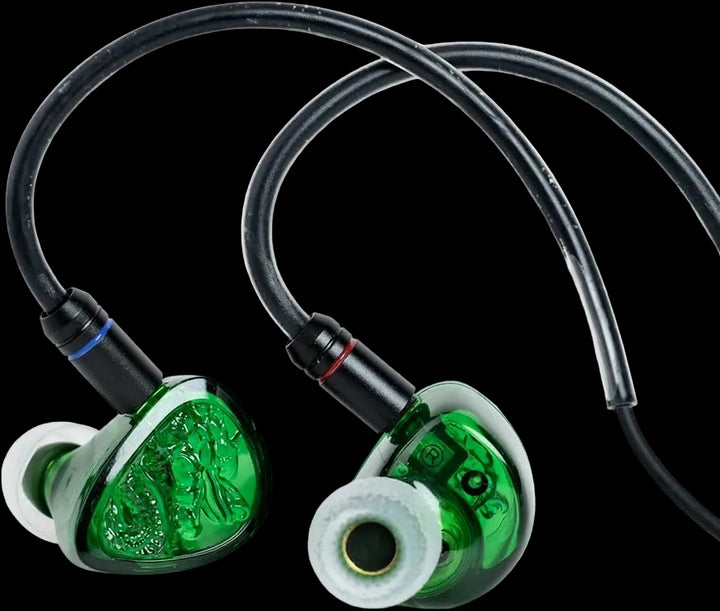
Tangzu wane’r SG 2 Type-C
Vendor: TangzuRegular price From LE 3,000.00 EGPRegular priceUnit price per -


Truth ear Gate
Vendor: TruthearRegular price From LE 3,100.00 EGPRegular priceUnit price perLE 3,000.00 EGPSale price From LE 3,100.00 EGP


Buying guide
Which one is right for you
All EarphonesThe full IEM range once you know what you want more of.
Music Preferred IEMsThe natural second step if you bought your first set to listen rather than to play.
Immersive Gaming IEMsSharper imaging for footsteps and directional cues, still phone-friendly.
Audio Top-upsSmall USB-C converters and Bluetooth adapters - for a phone with no headphone socket.
Wireless IEMsIf a cable is the one thing you know you do not want.
Premium IEMsWhere the range goes when a first set turns into a hobby.
Key terms, explained
- Ear tips
- The silicone or foam sleeves on the nozzle. They are the only part touching your ear canal, so they decide the seal, the comfort and a surprising amount of the sound. Most sets ship with three sizes and you should try all of them.
- Seal
- An airtight fit between the tip and your ear canal. With a seal you get full bass and strong passive isolation; without one you get a thin, distant sound. It is the single most common cause of a disappointing first listen.
- Over-ear wear
- Looping the cable up and behind the top of your ear rather than letting it hang down. It is how almost every IEM here is designed to sit - it holds the shell in place, stops the cable tugging the seal loose and cuts noise from the cable brushing your clothes.
- L and R markings
- Small letters printed on each shell or the cable connector. IEM shells are moulded for a specific ear, so wearing them swapped feels wrong immediately and reverses the stereo image. Check before you blame the fit.
- Burn-in
- The claim that playing music through a new set for many hours changes how it sounds. The effect is largely psychological - your hearing adapts to a new tuning far faster than the driver changes. Judge a set on how it sounds now, not on what it might become.
- Driver flex
- A faint crackle or popping as you push a set into your ear or pull it out. It is air pressure moving a dynamic driver's diaphragm, not damage. Inserting more slowly, or using a tip with a wider bore, usually stops it.
- In-line mic
- A small microphone and button module built into the cable, for calls and voice chat. It makes a wired set usable as a phone or gaming headset, though a dedicated microphone will always sound better for streaming or recording.
- Nozzle
- The spout the ear tip pushes onto. Its diameter and length affect how deeply the set sits and which tips fit properly, and the mesh across the end keeps wax out of the driver.
- Easy to drive
- A set with low impedance and high sensitivity, so a phone or laptop reaches satisfying volume with no help. Everything in this collection is easy to drive, which is exactly why it suits a first purchase.
- Counterfeit set
- A fake built to look like a popular budget model. They copy the packaging and the shell closely, sound noticeably worse and carry no warranty. Buying from a seller who verifies genuine units is the only reliable protection.
- Upgrade path
- The fact that an IEM is several separate purchases - the earphone, the cable and the tips. You can improve fit with better tips, add a microphone or a wireless adapter by swapping the cable, and keep the set you already own.
- Cleaning and care
- Wipe the shells and pull the tips off to rinse and dry them every few weeks, and clear the nozzle mesh gently with a soft brush. Blocked mesh sounds exactly like a failing driver, and it is the most common fault that is not a fault at all.
FAQ